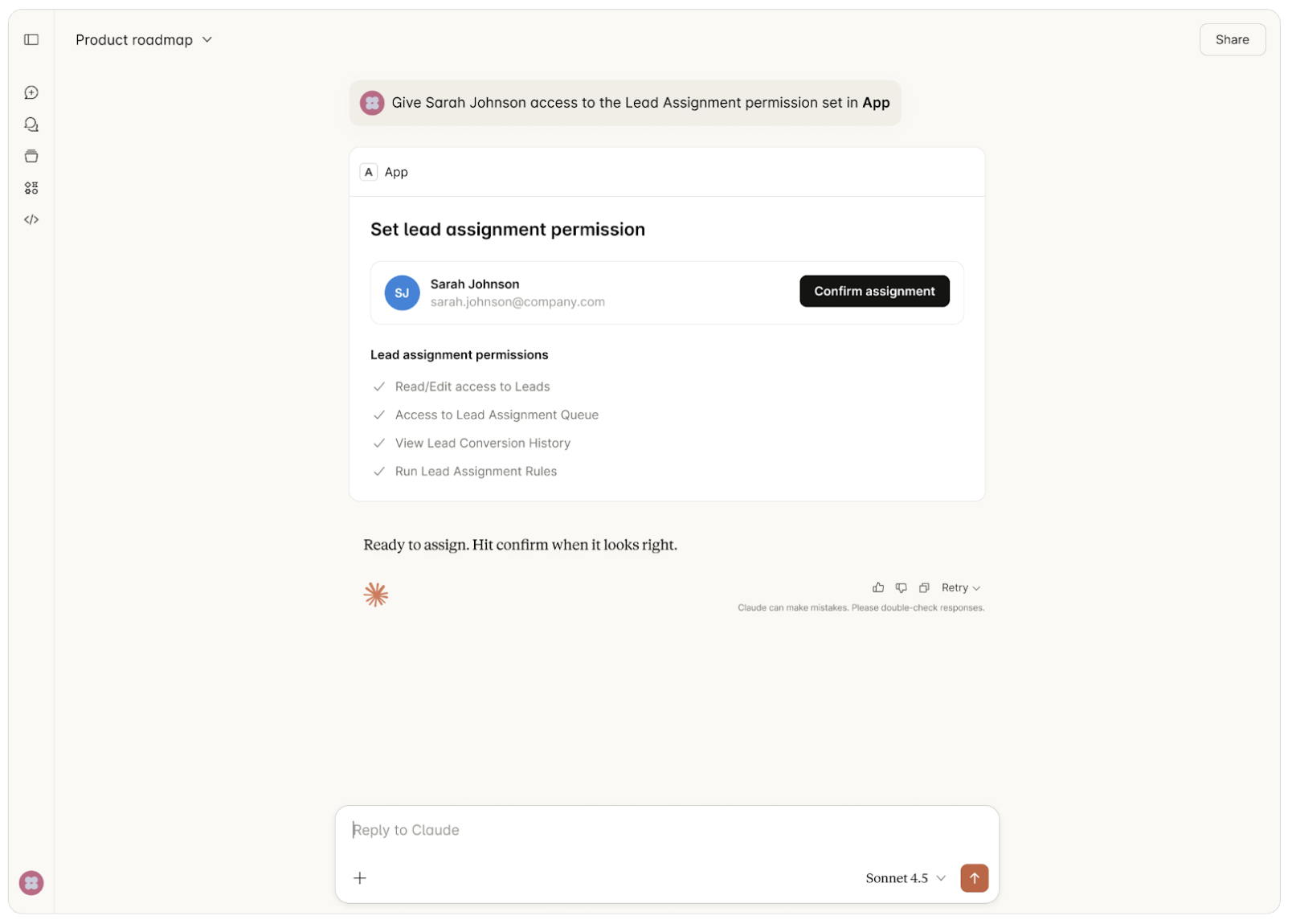
AI-powered tools can now not just exchange data, but deliver visually rich, interactive user experiences, right inside your favorite apps. This is the promise of the new MCP Apps Extension proposal, designed to standardize interactive user interfaces (UIs) for the Model Context Protocol (MCP) ecosystem.
Why a Standardized UI Matters in MCP
Currently, MCP servers are restricted to text and structured data, forcing host applications to interpret and render visual elements on their own. This leads to fragmented experiences and increased complexity for developers. As AI interfaces become more sophisticated, the lack of a standard solution hampers innovation and consistency across platforms.
The MCP Apps Extension solves this by providing a unified way to declare UI resources, link them to tools, and enable seamless communication between embedded interfaces and host applications. This reduces development friction and prevents the ecosystem from splintering as new tools emerge.
Inspired by Proven Projects
The proposal builds on the pioneering work of the MCP-UI project and the OpenAI Apps SDK. MCP-UI demonstrated that interactive, agentic apps are possible within MCP, and was quickly adopted by companies like Postman, Shopify, and Hugging Face. Meanwhile, OpenAI’s Apps SDK proved the value of rich, in-context UIs for conversational AI.
Now, maintainers from OpenAI, Anthropic, and the MCP-UI community are collaborating to define an official specification that prioritizes interoperability, security, and scalability for all interactive apps built on MCP.
What’s Inside the MCP Apps Extension?
This extension is more than a schema update,it’s a blueprint for connecting AI models, users, and applications through flexible, interactive UIs. The first version is focused and lays a solid foundation for future innovation.
Key Design Features
- Pre-declared UI resources: UI templates use a
ui://URI scheme and appear in tool metadata, allowing hosts to prefetch and audit templates. This separation of static presentation from dynamic data supports better performance, security, and caching.- Standard MCP transport: All UI-to-host communication uses MCP JSON-RPC over
postMessage. This ensures structured, auditable interactions and lets developers build on existing SDKs.- HTML-first approach: Only
text/htmlcontent is supported initially, rendered in sandboxed iframes. This choice guarantees universal browser compatibility, robust security, and easy previewing, with the option to add more content types later.- Security by design: The Extension introduces multiple security layers, iframe sandboxing, auditable messaging, predeclared templates, and explicit user consent for UI-initiated actions. These measures protect against malicious content while maintaining developer flexibility.
- Backward compatibility: The extension is optional. Existing MCP implementations remain unchanged, and servers must provide text-only fallbacks for UI-enabled features, ensuring smooth operation across all hosts.
// UI templates are resources with the ui:// URI scheme, referenced in tool metadata.

// Server registers UI resource
{
  uri: "ui://charts/bar-chart",
  name: "Bar Chart Viewer",
  mimeType: "text/html+mcp"
}

// Tool references it in metadata
{
  name: "visualize_data_as_bar_chart",
  description: "Plots some data as a bar chart",
  inputSchema: {
    type: "object",
    properties: {
      series: { type: "array", items: .... }
    }
  },
  _meta: {
    "ui/resourceUri": "ui://charts/bar-chart",
  }
}
What’s Next for MCP Apps?
The proposal has already benefitted from feedback by the UI Community Working Group, and an early access SDK is available for experimentation. Both MCP-UI’s client and server SDKs are adopting these standards, allowing developers to quickly prototype new app experiences.
Developers and community members are encouraged to review the full SEP-1865 specification, participate in Discord discussions, and experiment with prototype implementations.
Collaboration Fuels Progress
This standard is the result of deep collaboration among leaders in AI and developer tools. Contributors from MCP-UI, OpenAI, Anthropic, and the broader community have shaped the MCP Apps Extension through hands-on experimentation and open discussion. Their combined expertise ensures interactive UI capabilities will integrate seamlessly into the MCP ecosystem.
- Review the full specification in SEP-1865
- Share feedback and concerns in GitHub Issues
- Join the discussion in the #ui-wg channel in the MCP Contributors Discord
- Test prototype implementations and share your experience
Takeaway
The MCP Apps Extension marks a major leap forward for interactive, agentic applications. By standardizing UI delivery, it empowers developers, enhances security, and sets the stage for the next generation of AI-driven interfaces. Now is the time for the community to contribute and help shape the future of interactive MCP apps.
Source: Model Context Protocol Blog


MCP Apps Extension Is Transforming Interactive AI Experiences