Generative AI is revolutionizing how we interact with technology, expanding beyond text and images to building dynamic user interfaces. With Google's launch of A2UI, AI agents can now create contextually relevant, adaptable UIs on the fly. This open-source initiative aims to solve the complexities of cross-platform interoperability, enabling agents to deliver richer, more intuitive experiences across applications.
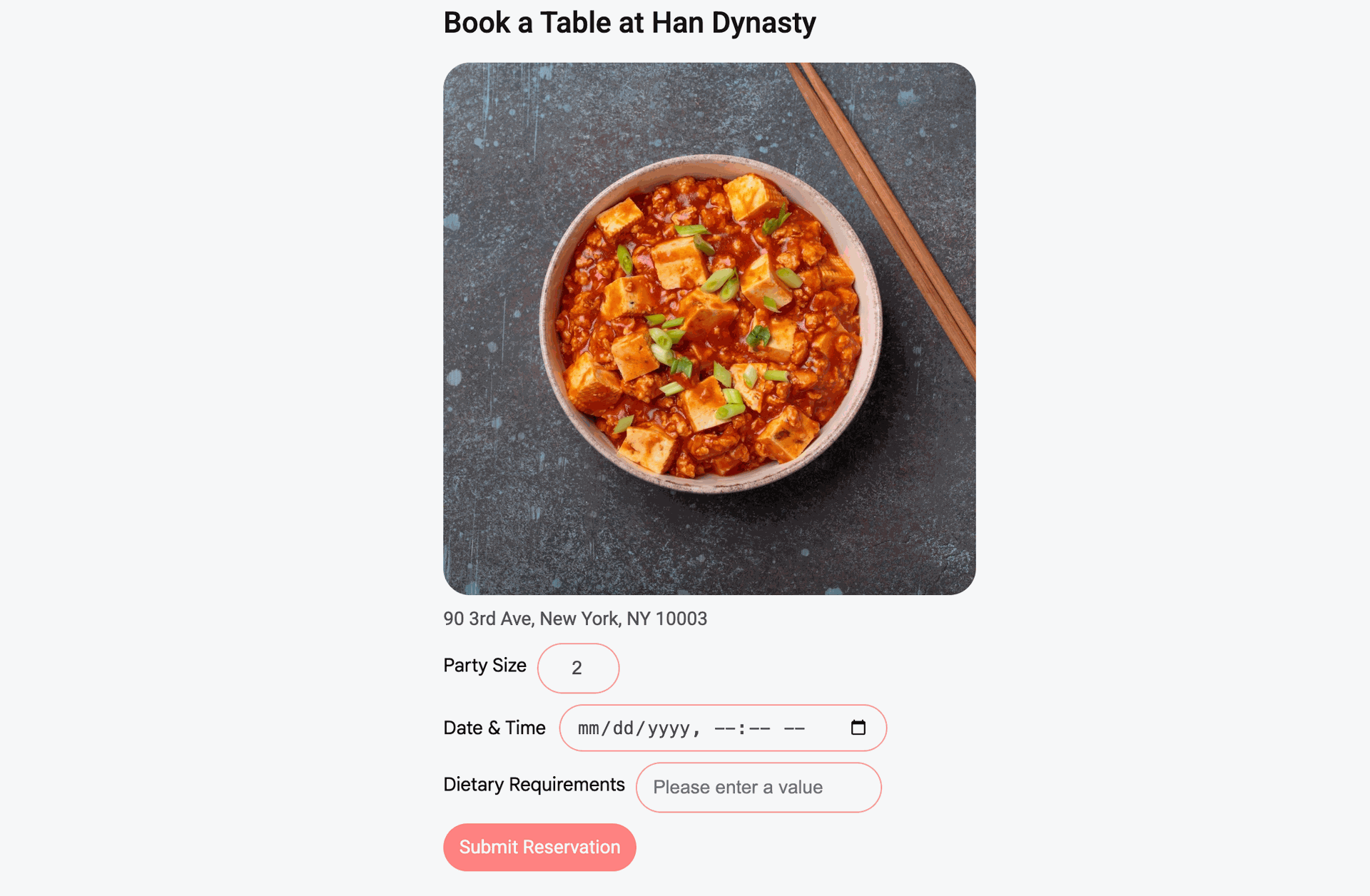
The below is one possible rendering of an A2UI representation of the restaurant booking, with many other possibilities thanks to A2UI's design that gives the front-end host app a lot of control over the styling. Credit: Google
Why Agents Need to “Speak” UI
Traditional chat-based agent interactions often lead to slow, repetitive exchanges. Booking a restaurant, for example, becomes tedious with endless messages to set a date and time. A2UI transforms this process by allowing agents to generate interactive forms, complete with date pickers and selectors, directly within the user interface. This approach reduces friction and empowers users to complete tasks swiftly with tailored, graphical tools.
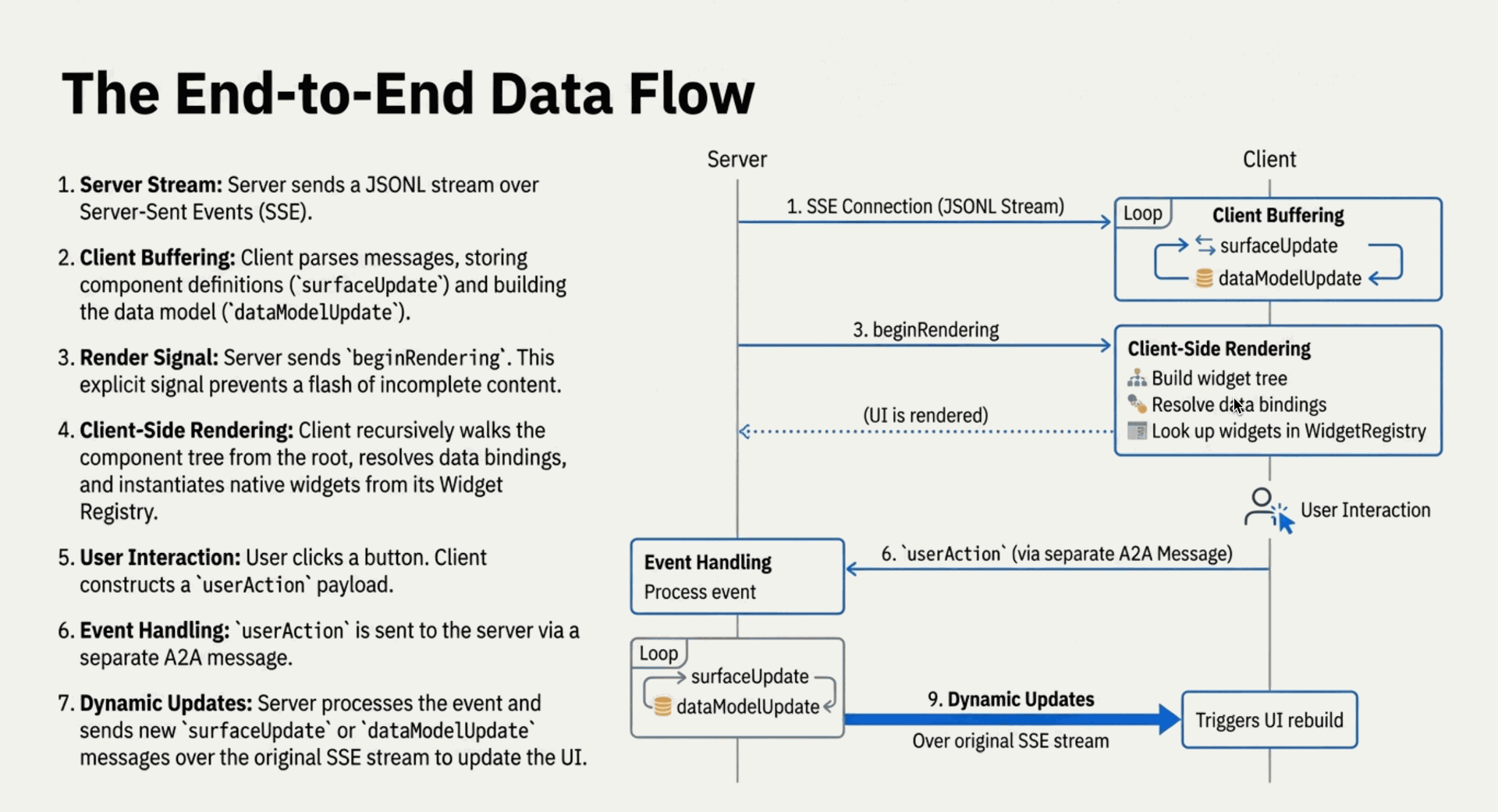
Image Credit: Google
Addressing Cross-Boundary UI Barriers
As agents increasingly collaborate across organizations and platforms, maintaining secure and consistent UIs is a challenge. Sending raw HTML or JavaScript can introduce security risks and styling inconsistencies. A2UI tackles this with a declarative JSON-based UI specification. Instead of sharing code, agents transmit structured data, which client applications render using their trusted component libraries. The result is enhanced security and native, unified styling regardless of platform.
Core Principles of A2UI
- Security-first: Only pre-approved UI components can be rendered, minimizing vulnerability exposure.
- LLM-friendly and updatable: Its flat, ID-referenced structure supports easy generation and incremental updates by large language models, enabling responsive UI evolution.
- Framework-agnostic: Decoupling UI structure from implementation allows rendering across web, Flutter, Angular, and more.
Integrating A2UI into the Modern UI Landscape
A2UI acts as a specialized protocol for generative and interoperable UI responses rather than replacing existing frameworks. It lets host apps safely display agent-generated content, integrating seamlessly with platforms like AG UI, CopilotKit, Opal, Gemini Enterprise, and Flutter’s GenUI SDK. A2UI’s native-first approach offers styling and accessibility advantages over sandboxed HTML, ensuring consistent experiences across devices and applications.
Real-World Applications of A2UI
- AG UI / CopilotKit: Delivers instant compatibility for developers building agent-driven, full-stack apps.
- Opal: Empowers users to create and share AI-driven mini-apps with dynamic interfaces.
- Gemini Enterprise: Enables agents to guide users through intricate workflows via interactive UIs.
- Flutter: Powers GenUI SDK for unified, generative UI experiences across platforms.
- AI Powered Google: Establishes a standardized way for agents to exchange UIs, supporting multi-agent and multi-surface operations.
How to Get Involved with A2UI
Developers and enthusiasts can explore A2UI at a2ui.org, dive into quickstarts, and try demos like the restaurant finder or GenUI SDK for Flutter. The project welcomes contributors to build libraries, integrate frameworks, or create sample apps. Licensed under Apache 2 and currently at v0.8, A2UI is evolving rapidly with community support and early compatibility for frameworks like Flutter, Web Components, and Angular.
Takeaway: Building the Future of Agentic UIs Together
A2UI marks a pivotal advance in agent-driven UI design, emphasizing security, flexibility, and interoperability. By enabling agents to communicate user interfaces safely across diverse platforms, A2UI sets the stage for a new era of smarter, more intuitive digital experiences. Google invites the community to shape this future,contribute, collaborate, and help define the next generation of agent-powered UIs.
Source: Google Developers Blog


A2UI: Empowering Agents to Build Smarter, Secure User Interfaces